Exploring Volunteer Opportunities for Active Adults
Volunteering can be a rewarding way to engage with the community, particularly for adults aged 40-60. Research shows that volunteering not only enhances community well-being but also contributes positively to the mental and physical health of volunteers.
Understanding the Benefits of Volunteering
Volunteering provides numerous benefits for active adults; according to the National Institute on Aging, engaging in volunteer activities can lead to improved emotional well-being and a greater sense of purpose. Studies indicate that volunteers often experience reduced rates of depression and anxiety, leading to an overall enhancement in quality of life.
"Volunteering is associated with a 20% increase in mental health and well-being among older adults." - Journal of Health Psychology
How to Get Started with Volunteering
Many individuals interested in volunteering may wonder where to begin. Here’s a step-by-step guide to help you embark on your volunteering journey:
- Identify Your Interests: Consider what causes resonate with you. Whether it’s education, the environment, or healthcare, the first step is recognizing where you want to contribute.
- Research Local Organizations: Many community organizations actively seek volunteers. Websites like VolunteerMatch can help connect you with opportunities in your area.
- Assess Time Commitment: Different organizations have varying time commitments. Some may ask for a few hours a week, while others might require a more substantial commitment. Understanding what you can offer will help narrow your choices.
- Attend Orientation or Training: Many organizations provide training sessions for new volunteers. These sessions often outline expectations and provide valuable insights into the organization’s mission.
Types of Volunteer Opportunities
Active adults have diverse skills and experiences to offer, and there are various types of volunteering options that can suit different interests and schedules:
- Community Service: Volunteering at local shelters, food banks, or community centers can offer direct support to those in need.
- Mentorship Programs: Many organizations seek mentors for youth, and adults can leverage their experiences to guide the next generation.
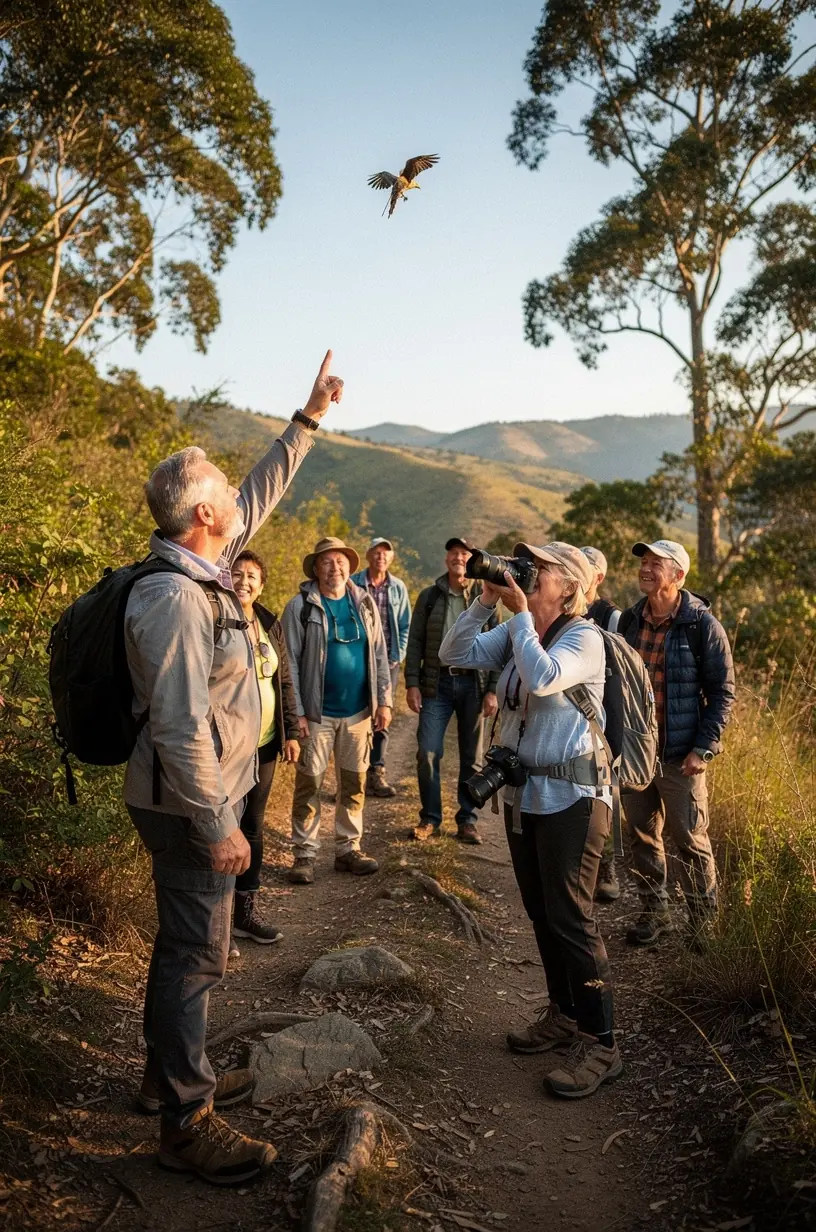
- Environmental Initiatives: Participate in local clean-up events, tree planting, or conservation efforts. Research shows that spending time outdoors can significantly benefit mental health.
Acknowledging Challenges
While volunteering is fulfilling, it’s essential to acknowledge some challenges. Often, volunteering requires a time commitment that can vary widely depending on the organization and role. Some opportunities may require ongoing dedication, while others may be one-time events. It’s crucial to evaluate your availability and choose a role that fits your lifestyle.
Conclusion
Engaging in volunteer opportunities can significantly enrich the lives of adults aged 40-60, offering both social connections and personal fulfillment. By understanding the benefits, identifying interests, and recognizing potential challenges, you can find a meaningful volunteering role that aligns with your values and schedule. Remember, the impact you make in your community can also lead to personal growth and satisfaction.
Learn More