Understanding the Benefits of Community Recreational Activities
Participating in community recreational activities can provide numerous benefits, particularly for individuals aged 40 to 60. In this article, we explore how these activities can enhance social connections, improve physical health, and boost overall well-being.
The Importance of Community Engagement
Community recreational activities are essential for fostering social connections among individuals. According to a study by the National Institute on Aging, social engagement is linked to better mental health outcomes in older adults. When people participate in group activities, they often report feeling more connected and supported, which can lead to a decrease in feelings of loneliness.
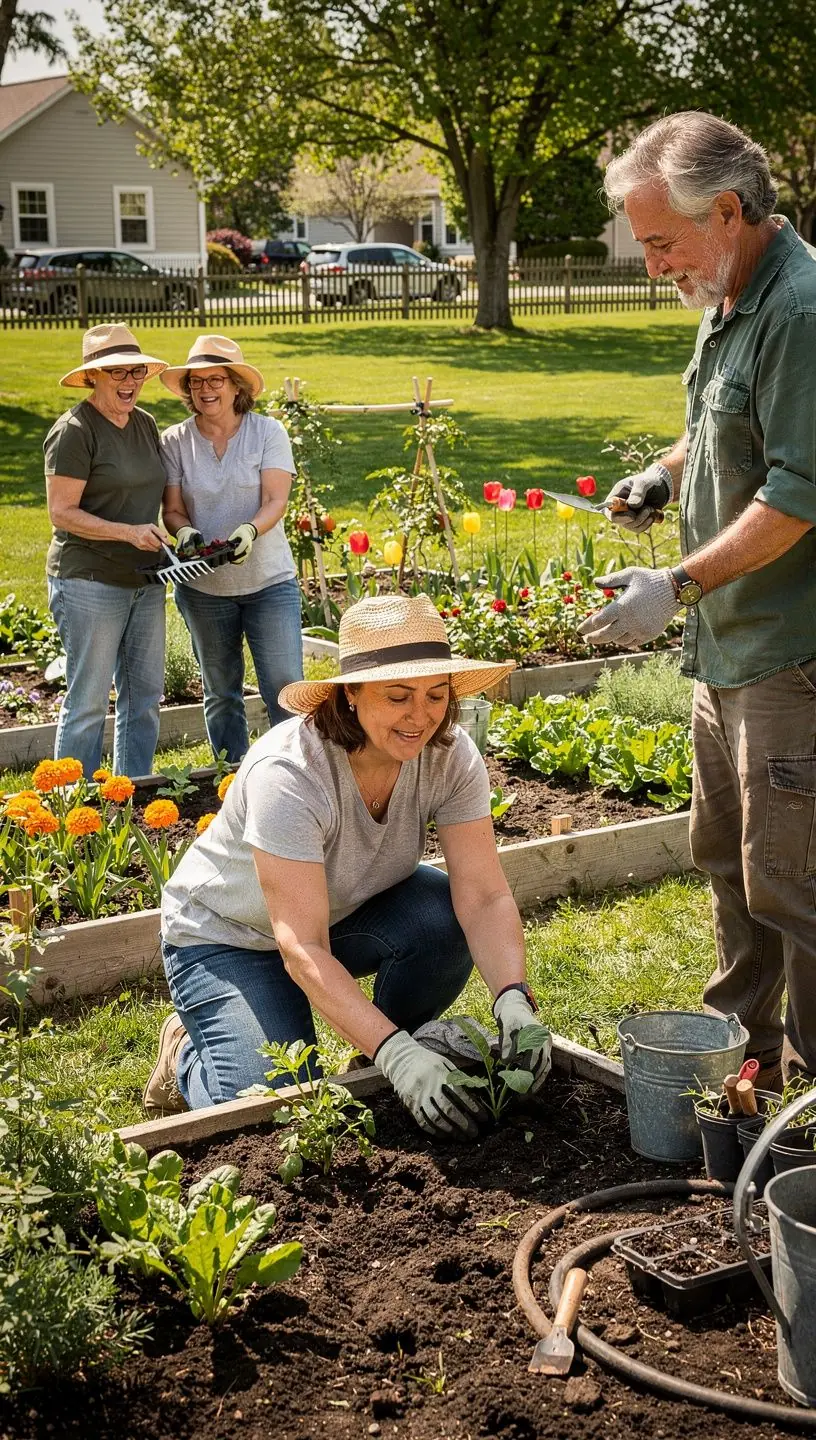
"Engaging in social activities can significantly enhance emotional well-being, especially in older adults." - Research from the National Institute on Aging
Physical Health Benefits
Regular participation in recreational activities can also contribute to improving physical health. Activities like walking groups, dance classes, or community sports are effective ways to stay active. Studies show that engaging in moderate physical activity for at least 150 minutes per week can reduce the risk of chronic diseases such as heart disease and diabetes for older adults.
How Physical Activity Impacts Health
The principle behind the health benefits of physical activity is well-documented. Regular exercise helps maintain a healthy weight, improves cardiovascular health, and strengthens bones and muscles. This can be particularly important for individuals aged 40-60, as muscle mass and bone density naturally decrease with age.
Enhancing Mental Well-Being
Incorporating recreational activities into your routine can positively impact mental health. Engaging in hobbies and social outings has been shown to reduce symptoms of depression and anxiety. A report from the World Health Organization indicates that active participation in leisure activities can promote mental resilience.
Building Resilience through Recreation
This works because community activities often provide both physical challenges and opportunities for social interaction, which can help individuals build coping skills and resilience. Many users report feeling more optimistic and less stressed when they regularly engage in these activities.
Realistic Expectations and Commitment
While the benefits of community recreational activities are substantial, it's essential to acknowledge the commitment required. Participation typically requires setting aside time each week, often 2-4 hours depending on the activity. Additionally, some activities may involve a learning curve, such as dance classes or team sports.
Getting Started
- Explore local community centers or online platforms for recreational groups in your area.
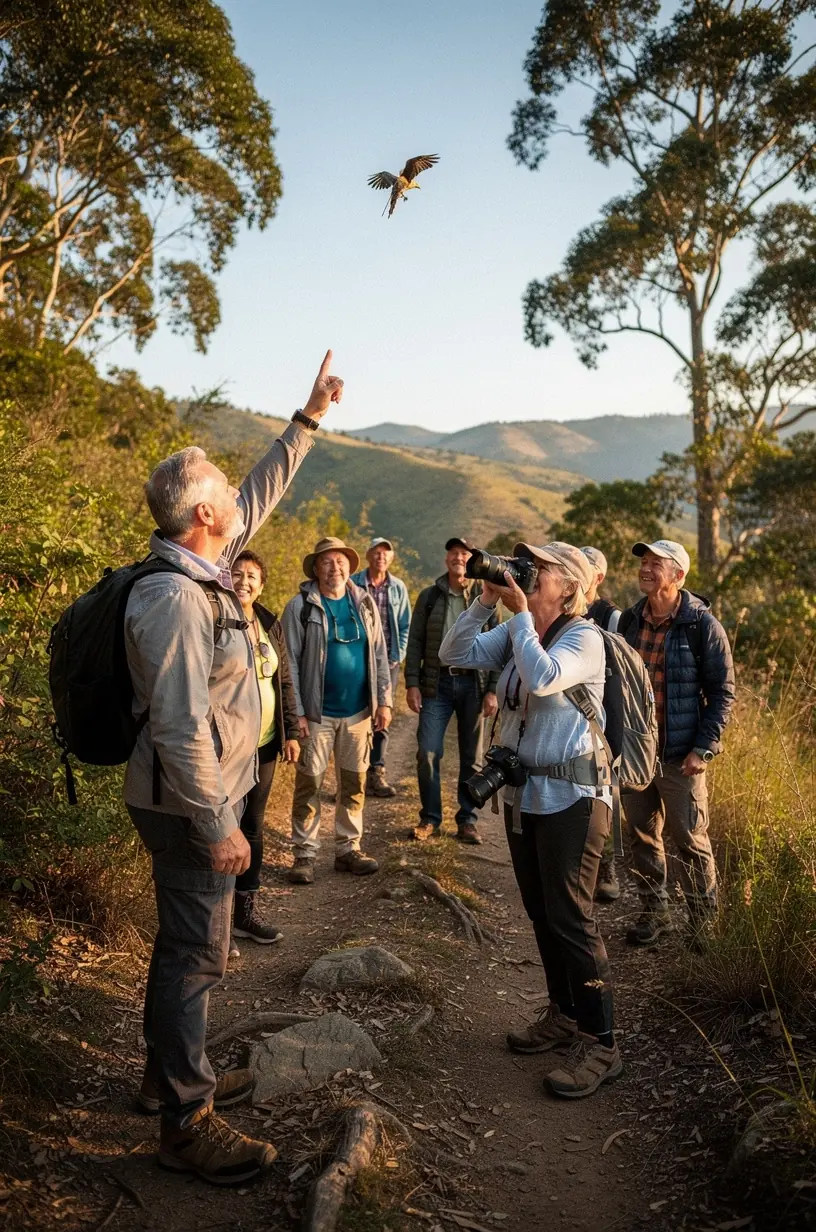
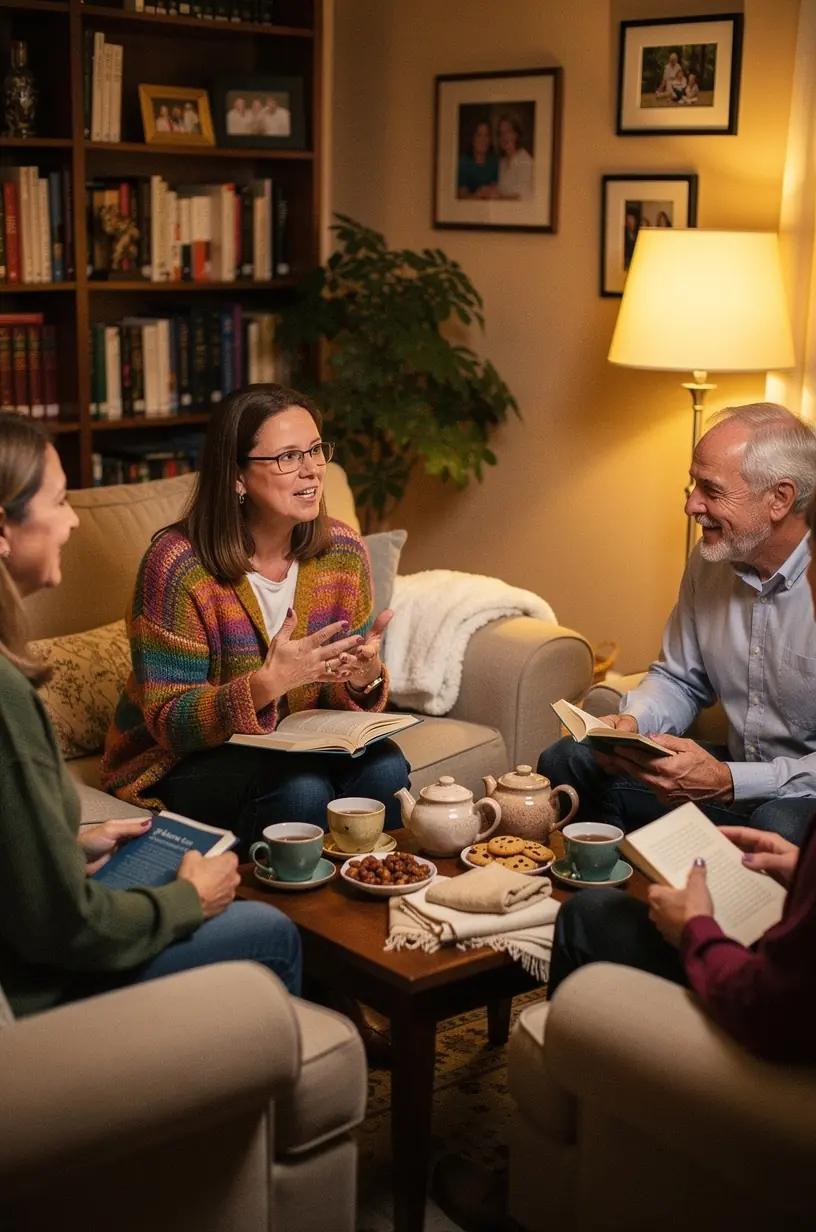
- Consider joining clubs that align with your interests, such as hiking, painting, or book clubs.
- Engage with friends or family members to participate together, making the process more enjoyable.
Conclusion
In summary, community recreational activities can offer a wealth of benefits for individuals aged 40-60, including enhanced social connections, improved physical health, and a boost in mental well-being. While commitment is necessary, the positive outcomes can significantly enrich your life. By actively engaging in your community, you can foster lasting connections and contribute to your overall health and happiness.